
Google Dance
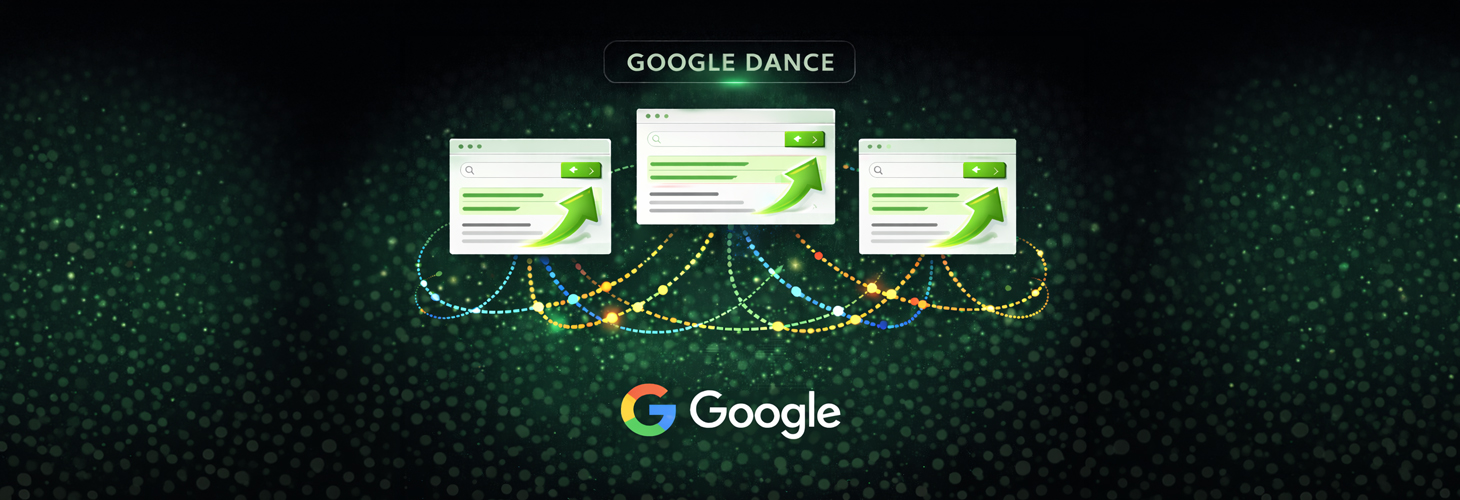
In the world of search engine optimization, the term Google Dance refers to the fact that the search engine delivers different search results for the same search query conducted simultaneously. A page may rank differently in one search than in another. This does not refer to the impact of regionality on a search query—such as searching for "restaurants" in Munich versus Hamburg. The different results have another cause.
Why does Google "dance"?
Google regularly crawls the internet for updates with its web crawler (Googlebot) and incorporates those updates into the index. Given the immense data traffic, the search engine relies on multiple data centers that process the information and data separately. During the re-indexing by the bot, which used to take about a month but now only takes a few hours due to increased computing power, there could be ranking changes in the SERPs during the match of the indexings. Not all servers calculated identical positions within the updates. Furthermore, the servers were not updated at the same time. The rankings changed so drastically within a few days that it looked as if the search results were dancing. This phase is called Google Dance. Websites with very good placements sometimes slid significantly down in the SERPs, while poorly ranking sites suddenly shot to the top positions. However, Google Dance not only affected rankings but also sometimes caused inexplicable fluctuations in a website's PageRank.
Results fluctuate less and less: Google Dance has lost significance for search engine optimization due to new update processes
In the second half of 2003, the index update was changed through new update measures and switched from a monthly to an hourly rhythm. Since less time passes between the crawler activities, the ranking jumps during the Google Dance are consequently no longer as high. Therefore, the phenomenon has also lost significant attention. Until 2003, interfaces were developed that illustrated the Google Dance and often caused a stir among webmasters. During the update, webmasters and website operators could recognize initial trends regarding placements and algorithm changes.
With the hourly update, the Googlebot still has to search the entire index, but due to the shorter intervals between the crawls, the changes are no longer as drastic. Not every website updates its content and offers hourly. As a result, the Google Dance phenomenon is no longer as noticeable as it used to be. However, significant changes in positions are still possible, for example, as a consequence of a penalty that could even lead to a page being removed from the index. If a website does indeed drop significantly in ranking, it is negligent to blame it solely on Google Dance. In such cases, it is more important to review one's own SEO measures.